Inside the Foundry: The 4-Step Ductile Iron Valve Manufacturing Process
Tech InsightsAugust 02, 2026
Welcome to our professional valve foundry, where precision engineering meets heavy-duty manufacturing.
When sourcing fluid control equipment for global water infrastructure, the origin of your valves matters. Relying on middlemen or trading companies often leaves a gap in quality control and traceability.
As a leading valve foundry and integrated trade enterprise, XVS Valve operates its own dedicated manufacturing facility in Cangzhou, China. We believe that true quality begins at the very first pour of molten metal. By controlling the entire production lifecycle in-house, we ensure that every valve meets the highest international standards before it reaches your pipeline.
Take a behind-the-scenes look at our four-step manufacturing process, from raw material to a finished, hydro-tested valve ready for global export.
1. Precision Sand Casting of Ductile Iron
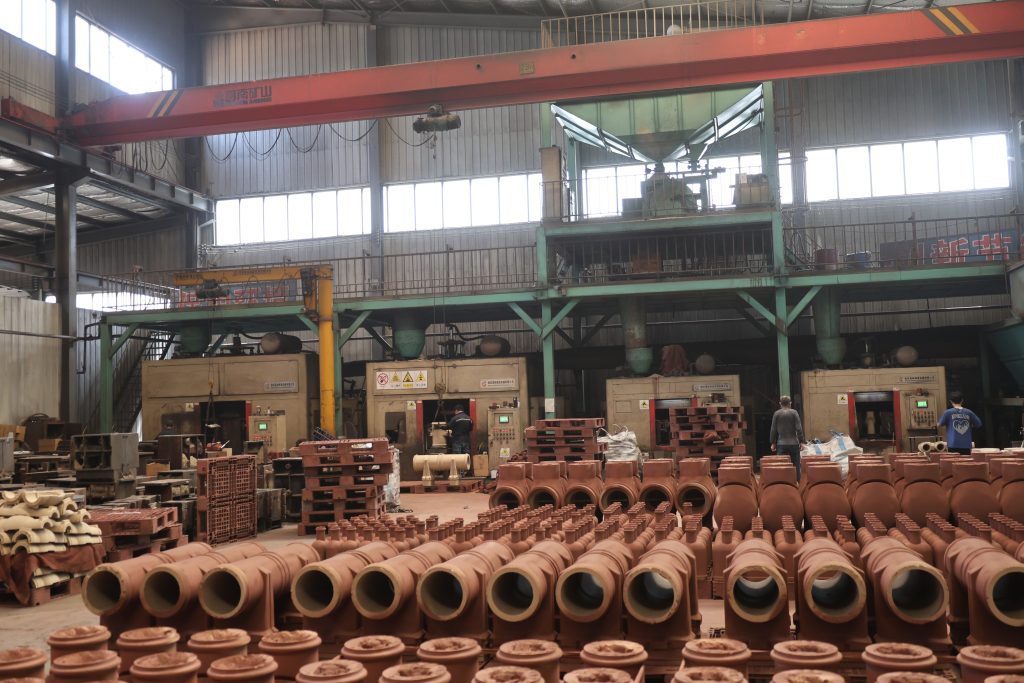
Raw ductile iron valve bodies fresh from the sand casting process, ready for CNC machining.
The foundation of a durable valve is its body. Traditional grey cast iron is brittle and prone to cracking under stress. That is why we exclusively use premium ductile iron (EN-GJS-400-15 / ASTM A536).
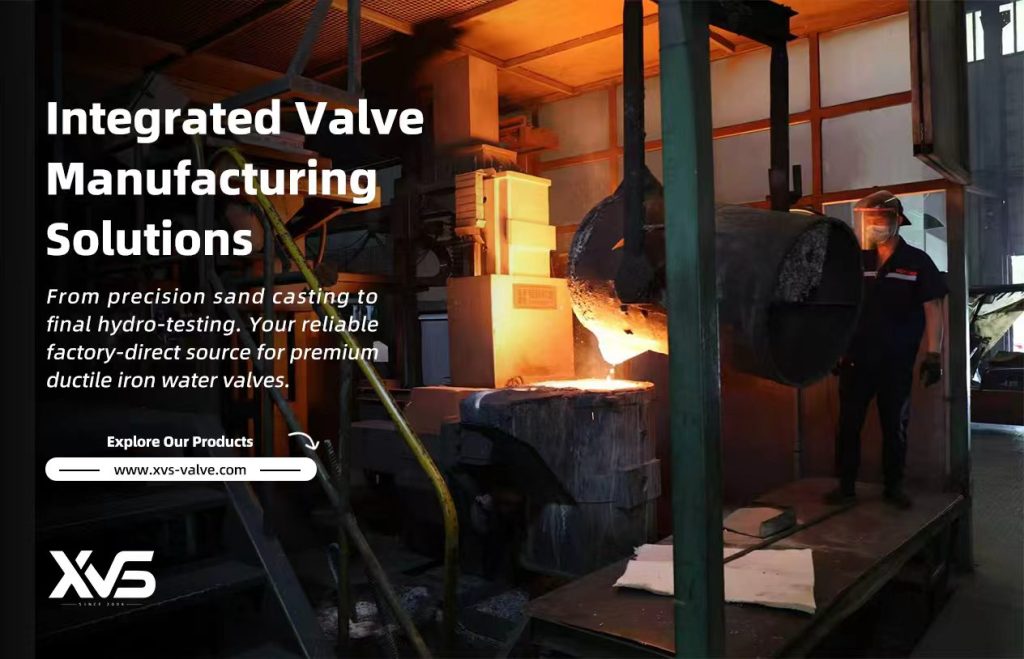
The process begins in our sand casting workshop. We use advanced, tightly packed sand molds to form the complex internal geometries of our gate valves, strainers, and check valves. When the molten ductile iron—treated with magnesium to create its signature nodular graphite structure—is poured into the molds, it yields a casting with exceptional tensile strength, impact resistance, and the ability to withstand severe water hammer effects.
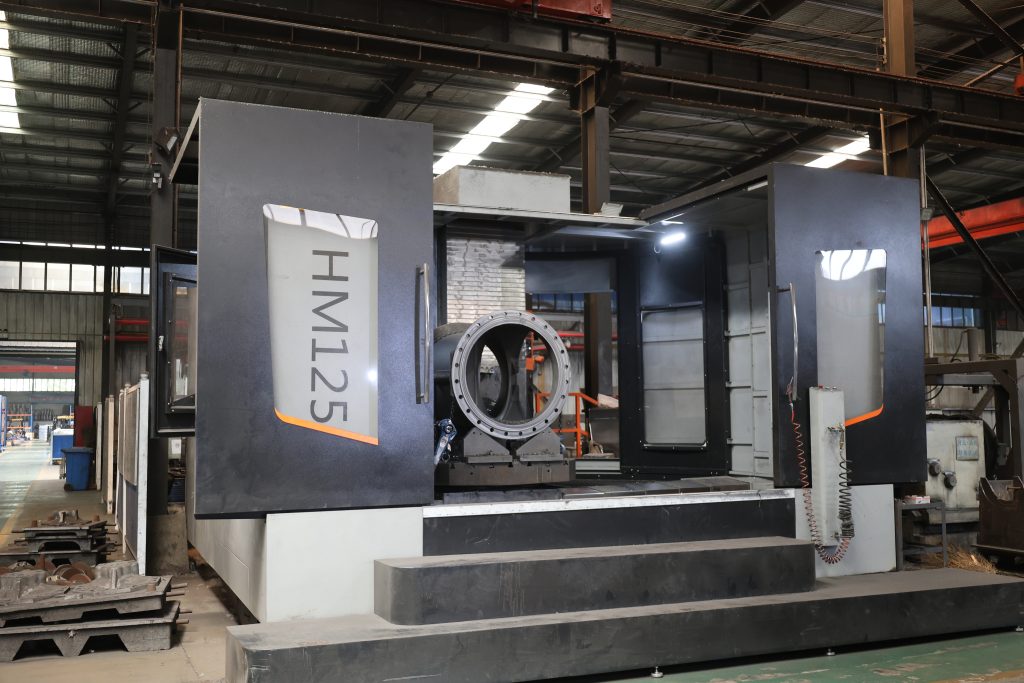
High-precision CNC machining ensures exact tolerances for flawless valve operation.
Once the raw castings are cooled and the sand is shaken out, they move to our machining center. A rough casting alone cannot provide a watertight seal.
We utilize high-precision CNC (Computer Numerical Control) lathes and milling machines to process the valve flanges, stems, and internal seating areas. This step requires absolute accuracy. By machining the internal surfaces to exacting tolerances, we guarantee that moving parts—such as the EPDM encapsulated wedge in a gate valve or the flapper in a check valve—operate smoothly without friction or seizing.
3. Surface Preparation and FBE Coating
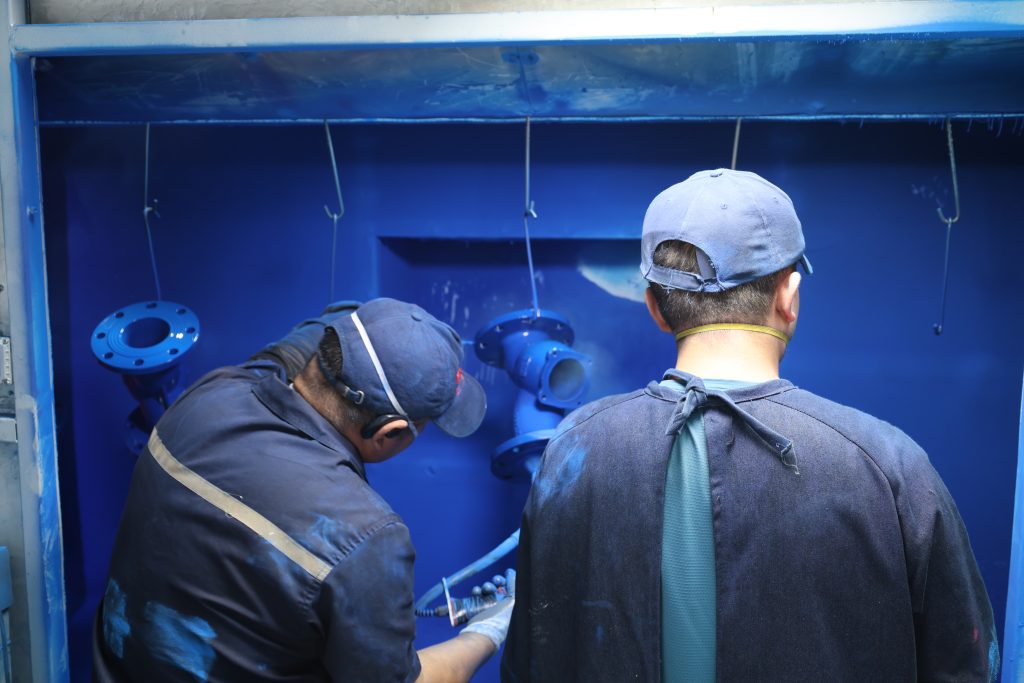
Applying a uniform Fusion-Bonded Epoxy (FBE) coating to ensure corrosion resistance for long-term pipeline reliability.
Water valves operate in highly corrosive environments. To protect the ductile iron from rust, acidic soils, and continuous water exposure, a robust surface treatment is mandatory.
Before coating, every machined valve body undergoes thorough shot-blasting to remove any surface impurities and create a perfectly textured surface. We then apply a Fusion-Bonded Epoxy (FBE) coating electrostatically to both the interior and exterior of the valve. The valve is baked in an oven, allowing the epoxy to melt and fuse with the iron, creating a tough, non-toxic barrier (minimum 250μm thick) that complies with global drinking water regulations.
4. 100% Hydrostatic Pressure Testing
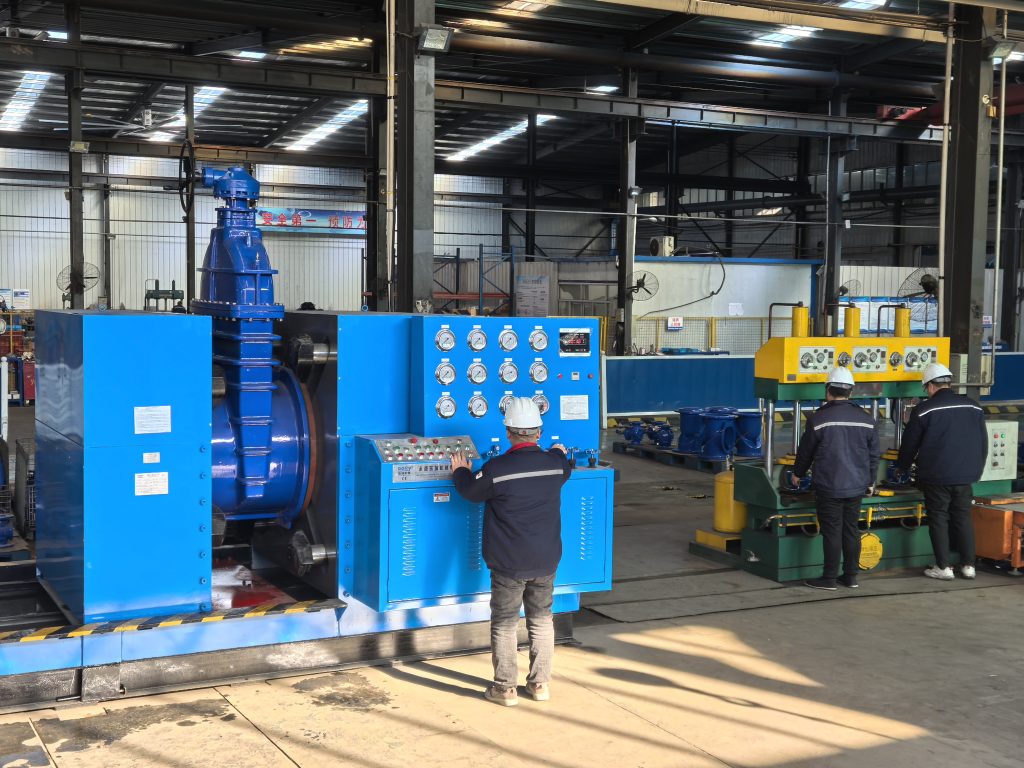
100% mandatory hydrostatic testing guarantees zero leakage before any valve is packed for export.
No valve leaves our valve foundry on good faith alone. Quality assurance is the final and most critical step in our manufacturing process.
Every single valve assembled in our facility undergoes rigorous hydrostatic pressure testing in accordance with strict ISO 5208 standards. We test both the structural integrity of the shell (at 1.5 times the nominal pressure) and the sealing capability of the valve seat (at 1.1 times the nominal pressure). Only valves that demonstrate a bubble-tight, zero-leakage performance are approved, stamped, and crated for export.
Partnering with a Direct Valve Foundry
Sourcing directly from a manufacturer that integrates both production and global trade offers unparalleled advantages. It eliminates middleman markups, ensures direct communication with the engineers who build your products, and provides complete transparency over the manufacturing process.
At Xinshui Valve, we combine robust traditional foundry techniques with modern machining and testing technology to deliver fluid control solutions you can trust.
🔗 Explore our manufacturing capabilities: View our full range of factory-tested products in our Industrial Valve Catalog.
📩 Ready to partner with a reliable foundry? Contact our international team via our Contact Us page for OEM/ODM inquiries and factory-direct pricing.