Valves are core control parts of fluid pipeline systems, widely used in chemical, water conservancy, energy and municipal projects. Valve tightness is a key measure of valve quality, directly affecting pipeline system safety and stability.
Vacuum seal failure can lead to media leakage and pressure loss, causing material waste, environmental pollution, and in severe cases, equipment failure, safety accidents, and significantly shortening the service life of pipelines and equipment. Therefore, accurate testing and assessment of valve sealing performance and timely identification of sealing defects are crucial. To standardize the valve sealing performance testing and assessment process and comprehensively identify the integrity of valve seals, various scientific methods can be used, including preliminary visual inspection, pressure testing, and specialized testing, to accurately determine the valve’s sealing status and ensure the stable operation of the pipeline system.
Visual Inspection for Valve Tightness Status
Visual inspection is the basic way to check valve tightness performance. It focuses on visible damage that causes poor closure.
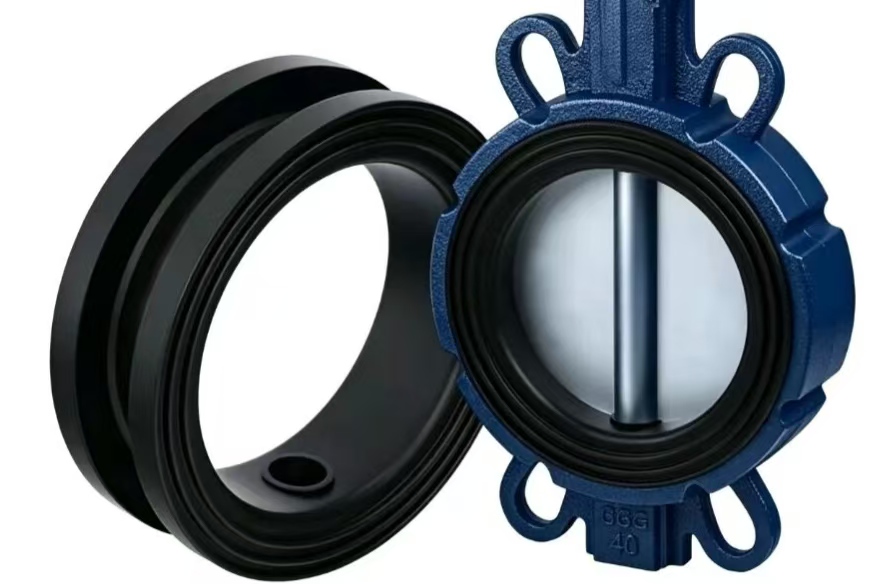
Check the valve body for wear, cracks, deformation and corrosion. Pay key attention to the fitting surface of the valve disc and seat; pits and scratches on these core parts are the main cause of closure failure.
Besides, check for leakage at the stuffing box. Any leakage means packing failure, usually caused by aging, wear or insufficient compression, reflecting defective valve closure performance.
Pressure Test (Core Valve Tightness Detection Method)
Pressure test is the core and authoritative method to verify valve closure quality, including strength test and tightness test, suitable for most industrial valves.
Valve Strength Test
Conducted before installation, this test closes the valve, fills the body with water or air, and maintains standard pressure for 5-15 minutes. No cracks, deformation or obvious pressure drop indicates qualified valve strength and basic closure performance.
Valve Strength Test
Tightness tests are divided into one-way and two-way types to accurately check valve closure tightness for different valve structures.
- One-way Tightness Test: For check valves and other one-way valves. Pressurize from the inlet end; no leakage at the outlet means good closure.
- Two-way Tightness Test: For ball valves, gate valves and other two-way valves. Test pressurization from both sides. No leakage on either side or stuffing box proves qualified two-way valve closure performance.
Bubble Detection Method
For valves on low-pressure pipelines, the valve can be placed in water, closed, and then pressurized gas introduced into the valve body. Observe whether bubbles emerge around the valve. The presence of bubbles indicates a leak and poor sealing performance. This method is suitable for gate valves, ball valves, butterfly valves, etc., with a nominal pressure not exceeding 1.6 MPa and a nominal diameter not exceeding 400 mm.
Ultrasonic Leak Detection
Ultrasonic detection realizes online non-destructive testing. Valve closure leakage produces unique ultrasonic signals under pressure. Professional detectors can locate leakage points and judge failure severity without stopping production.
Pressure Drop Detection Method
Pressure sensors are installed before and after the valve. When the valve is closed, the pressure changes before and after the valve are monitored. If the pressure drop exceeds the allowable range within a certain time, it may indicate poor sealing performance and media leakage causing the pressure drop. However, this method is affected by various factors, such as the stability of the pipeline system and the characteristics of the media, requiring comprehensive analysis and judgment.
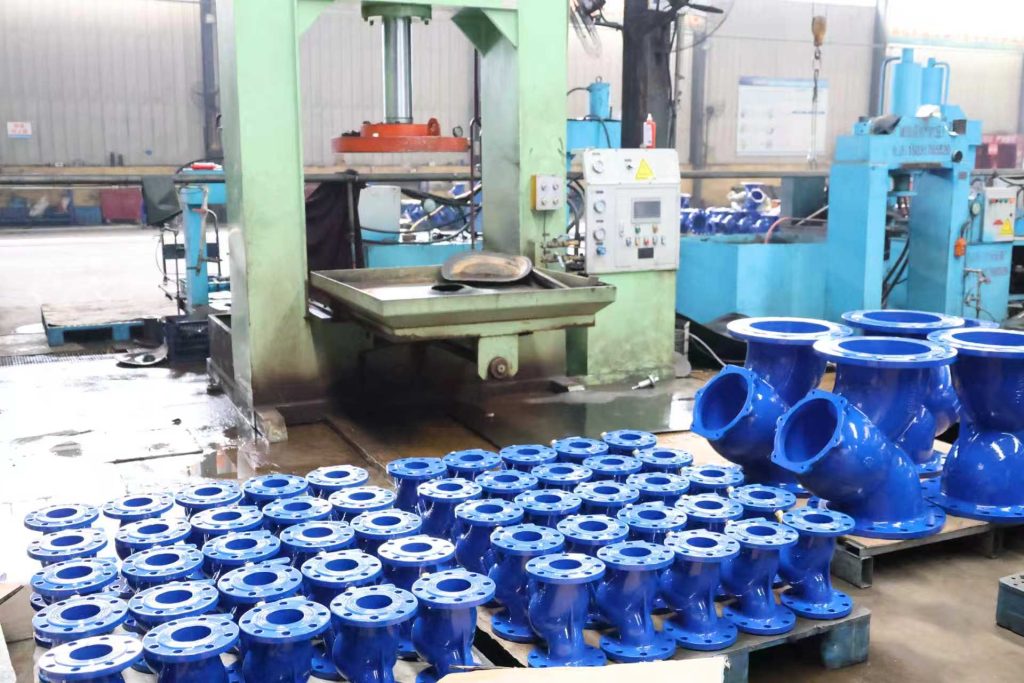
Stable valve sealing performance is the core guarantee for the safe and long-term operation of fluid systems, and accurate performance testing relies on high-quality valve products. Superior valves, with their excellent manufacturing processes and stringent quality control standards, ensure the stability and durability of the sealing structure from the source, effectively avoiding various operational hazards such as leakage and malfunction. We focus on the research, development, production, and supply of high-quality valves.
Our products strictly adhere to international industry standards, using superior materials and offering excellent sealing performance, suitable for various working conditions in water conservancy, chemical, municipal, and energy sectors. Whether it’s stable supply prices, reliable delivery cycles, or professional pre-sales selection and after-sales technical support, we can provide one-stop high-quality procurement services. For valve procurement and technical consultation needs, please feel free to contact us anytime to obtain a customized quote and professional technical solutions!