
В трубопроводных системах для перекачки жидкостей, клапаны являются основными управляющими элементами, отвечающими за ключевые функции системы, такие как изоляция трубопроводов, регулирование расхода, предотвращение обратного потока, регулирование давления и сброс давления. Общая безопасность и стабильность работы промышленного оборудования во многом зависят от того, подходят ли выбранные арматурные узлы для реальных условий эксплуатации. Поэтому глубокое понимание технических характеристик арматуры и стандартизированных методов её подбора имеет решающее значение для проектирования трубопроводных систем, эксплуатации оборудования и его ежедневного технического обслуживания.
Учитывая широкий ассортимент арматуры и сложные, изменчивые условия эксплуатации на производстве, научно обоснованный подбор арматуры должен основываться на двух ключевых характеристиках: эксплуатационных и конструктивных. Правильный подбор арматуры позволяет эффективно предотвратить отказы оборудования, утечки в трубопроводах, колебания давления и различные риски, связанные с работой системы, обеспечивая долгосрочную и стабильную работу трубопроводного оборудования.
Две основные характеристики промышленных клапанов
Характеристики обслуживания клапанов
Эксплуатационные характеристики арматуры определяют основные рабочие показатели и сферу применения каждого из виду арматуры, служа основным критерием при выборе арматуры промышленными потребителями. К ним относятся, в первую очередь, функциональная классификация арматуры, конкретные типы изделий, материалы изготовления основных компонентов и способы привода. Различные функциональные виды арматуры, такие как запорная арматура, регулирующие клапаны и предохранительные клапаны, имеют совершенно разные сферы применения и функциональное назначение.
Распространенные типы клапанов, в том числе задвижки, шаровые клапаны, дроссельные клапаны и клапаны-бабочки, обладают своими уникальными преимуществами в регулировании потока. Кроме того, материалы корпуса, крышки, штока и уплотнительных поверхностей клапана напрямую определяют его коррозионную стойкость, термостойкость и давлениестойкость, в то время как тип передачи и привода в значительной степени влияют на эффективность работы и степень автоматизации всей трубопроводной системы.
Конструктивные особенности клапанов
Конструктивные характеристики арматуры определяют способ монтажа, габаритные размеры и удобство последующего технического обслуживания арматуры, что является ключевым фактором, обеспечивающим адаптируемость к условиям монтажа на объекте. К основным конструктивным характеристикам относятся конструктивная длина арматуры, габаритная высота, типы соединений с трубопроводом, виды уплотнительных поверхностей и конструкция штока арматуры.
К основным способам соединения относятся фланцевое, резьбовое, хомутное и сварное соединения, которые позволяют адаптироваться к различным техническим характеристикам трубопроводов и условиям монтажа. Уплотнительные поверхности могут изготавливаться с помощью наплавки, напыления и интегрированных уплотнительных элементов корпуса клапана, что напрямую определяет герметичность и срок службы клапанов. Различные конструкции вращающихся и подъемных штоков также влияют на точность открытия и закрытия, а также на конструктивную устойчивость клапанов.
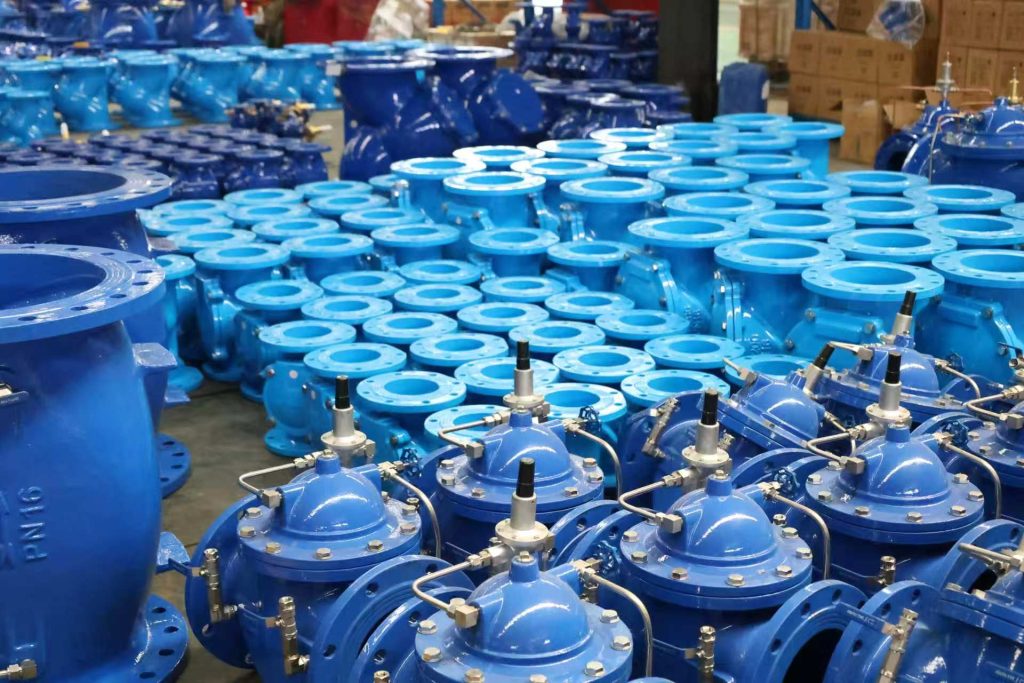
Стандартные этапы выбора и критерии подбора промышленных клапанов
Для выбора наиболее подходящего арматурного оборудования для трубопроводных систем, по которым транспортируются жидкости, необходимо следовать полной и стандартизированной процедуре подбора, чтобы обеспечить точное соответствие параметров изделия условиям эксплуатации. Подробные этапы подбора следующие:
- Уточните условия эксплуатации и назначение клапана. Прежде всего, определите конкретную функцию клапана в оборудовании и трубопроводной системе, а также уточните основные параметры условий эксплуатации, включая тип транспортируемой среды, рабочее давление и рабочую температуру, что позволит заложить прочную основу для выбора клапана.
- Уточните диаметр трубопровода и способ соединения. В соответствии с местными нормами проектирования трубопроводов уточните номинальный диаметр трубопровода и заранее определите тип соединения между клапаном и трубопроводом, включая фланцевое, резьбовое и сварное соединения, чтобы обеспечить совместимость при монтаже на месте.
- Выберите режим работы клапана и способ привода. С учетом требований к автоматическому режиму работы оборудования выберите подходящий режим работы клапана, который, в основном, включает ручное управление, электропривод, пневматическое управление, гидравлическое управление, электропривод с механической связью и электрогидравлический привод с механической связью, чтобы обеспечить соответствие потребностям эксплуатации различного оборудования.
- Подберите материалы для корпуса клапана и внутренних деталей. В зависимости от степени коррозионной активности, температуры и давления транспортируемой среды следует выбирать соответствующие материалы для корпуса клапана, внутренних деталей и уплотнений. К распространенным материалам относятся чугун, высокопрочный чугун, углеродистая сталь, легированная сталь, нержавеющая сталь и различные композитные сплавы, которые эффективно предотвращают коррозию, вызванную средой, а также повреждения, вызванные высоким давлением и высокой температурой.
- Определить функциональные категории арматуры. В соответствии с эксплуатационными требованиями трубопроводной системы следует выбирать арматуру с соответствующими функциями, в основном включая запорную арматуру, регулирующие клапаны и предохранительные клапаны.
- Выберите конкретные типы арматуры. Подберите подходящие модели арматуры с учетом условий эксплуатации и функциональных требований, например задвижки, клапаны с проходным седлом, шаровые краны, дроссельные клапаны, предохранительные клапаны, редукционные клапаны и конденсатоотводчики, которые являются основными видами промышленной арматуры.
- Рассчитать и подтвердить основные параметры клапана. Для автоматических клапанов необходимо точно рассчитать ключевые параметры, такие как коэффициент сопротивления потоку, пропускная способность и противодавление, а также подобрать номинальный диаметр трубопровода и размер отверстия седла клапана в соответствии с результатами расчётов, чтобы обеспечить надлежащие эксплуатационные характеристики клапана.
- Проверьте геометрические параметры монтажа клапана. Поочередно проверьте конструктивную длину клапана, общую высоту, технические характеристики фланцев, высоту открытия и закрытия, размер и количество отверстий под болты, а также габаритные размеры, чтобы обеспечить полное соответствие строительным и монтажным нормам на объекте.
- Выбирайте арматуру, прошедшую испытания и отличающуюся высоким качеством. Ознакомьтесь с официальными каталогами продукции, техническими образцами и руководствами по техническим характеристикам производителя, тщательно сравните эксплуатационные характеристики, приспособляемость и качество продукции, а затем выберите арматуру, которая подходит для конкретных условий эксплуатации, соответствует установленным техническим параметрам и отличается надежным качеством.
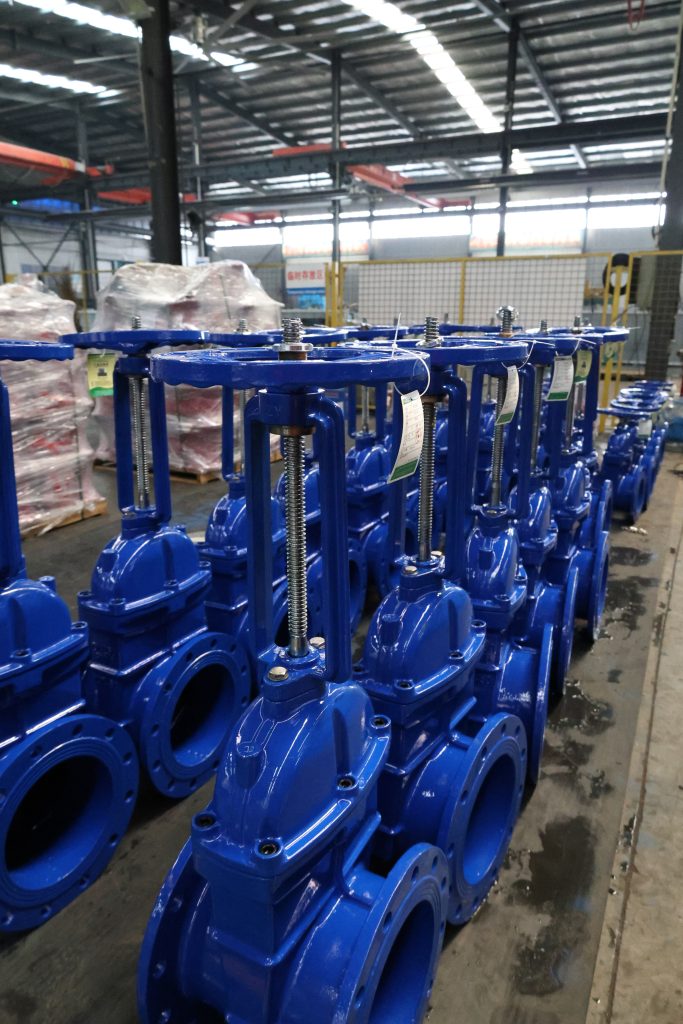
Точное знание характеристик клапанов и соблюдение стандартизированных процедур их подбора являются основными гарантиями долгосрочной стабильной работы систем передачи жидкостей. Высокая адаптивность и высокое качество клапан Оборудование является основой безопасной эксплуатации промышленных трубопроводов.
Компания XVS Valve специализируется на исследованиях, разработке и производстве промышленных клапанов, строго соблюдает международные стандарты производства и тщательно контролирует каждый этап производственного процесса. Мы поставляем высококачественные, универсальные и долговечные профессиональные клапаны, предназначенные для эксплуатации в сложных условиях промышленности и водоочистки.
Если вы ищете полный контроль качества и стабильные поставки при закупке клапанов, а также профессиональные рекомендации по выбору условий эксплуатации и комплексные послепродажные технические услуги, приглашаем вас связаться с нами для установления сотрудничества. 【Свяжитесь с нами прямо сейчас】 чтобы получить точные ценовые предложения, индивидуальные решения по подбору арматуры и воспользоваться комплексными услугами по закупкам «под ключ».