
Stop Leaks Now: Critical Valve Sealing Principles & Key Elements for Reliable Sealing
In industrial fluid systems — including petroleum, chemical, water treatment, and power generation — valve sealing plays a critical role in ensuring safe and stable equipment operation while preventing media leakage. Valve sealing is a systematic technology that integrates structural design, material selection, manufacturing processes, and adaptation to operating conditions. Different valve types and working conditions require significantly different sealing principles and adaptation strategies. This article begins with the core sealing components of valves, explains the working principles of various sealing structures, breaks down the key elements of effective sealing, and uses examples of commonly used valves to comprehensively review the core technologies and application points of valve sealing.
Sealing Principles Classified by Sealing Location
Valve Seat Seal (Main Seal)
As the core sealing structure of a valve, the valve seat seal directly determines the valve’s ability to cut off and seal the pipeline medium, and is crucial for ensuring the valve’s sealing performance. Based on the sealing contact form, it can be divided into two main categories: contact seals and non-contact seals.
Contact Seals
Relying on the tight contact between the closing element (valve disc) and the stationary element (valve seat) to achieve medium sealing, this is the most valve sealing form for valves. It can be further subdivided into four structural types:
- Flat Seals: Widely used in gate valves, flat gate valves, and other valve types. Two precision-machined flat sealing surfaces are forcibly pressed together by external force, relying on the contact between the surfaces to block the flow of media. Extremely high precision is required in terms of the smoothness and parallelism of the sealing surfaces.
- Conical Seals: Commonly found in gate valves, plug valves, and other equipment. Leveraging the precise fit of the conical surfaces, this structure possesses excellent self-alignment capabilities, generating a high unit sealing pressure. Effective sealing is achieved without excessive closing force, making opening and closing operations more effortless.
- Line Seal: Primarily suitable for ball valves and V-ball valves. Theoretically, it is a linear contact seal. Under the pressure of the medium, the contact surface undergoes slight deformation, forming a narrow and uniform sealing band. This sealing structure features low opening and closing torque, sensitive operation, and excellent sealing stability.
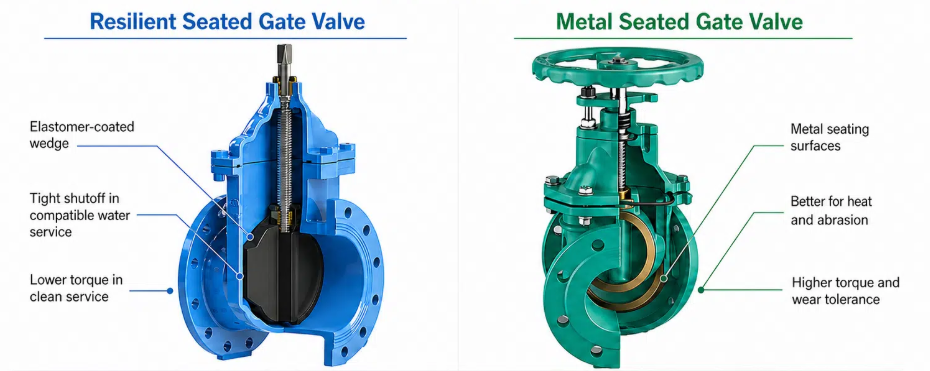
- Plastic Deformation Seal: Commonly used in soft-seal gate valves and butterfly valves. By embedding elastic sealing materials such as polytetrafluoroethylene (PTFE), rubber, and nylon into the metal valve seat or valve disc base, when the valve is closed, the elastic material undergoes slight plastic deformation under compression, fully filling the microscopic gaps in the sealing surface, forming an excellent initial sealing effect. This is one of the most widely used sealing methods in the industrial field.
Non-contact seal (labyrinth seal)
This type of seal abandons the contact surface valve sealing. By designing a tortuous and narrow media flow channel, it significantly increases fluid flow resistance, thereby achieving a near-sealing effect, allowing only a very small amount of media leakage. This structure is often used in regulating valves operating under special and complex conditions such as high temperature and high pressure differential.
Stem seal (dynamic seal)
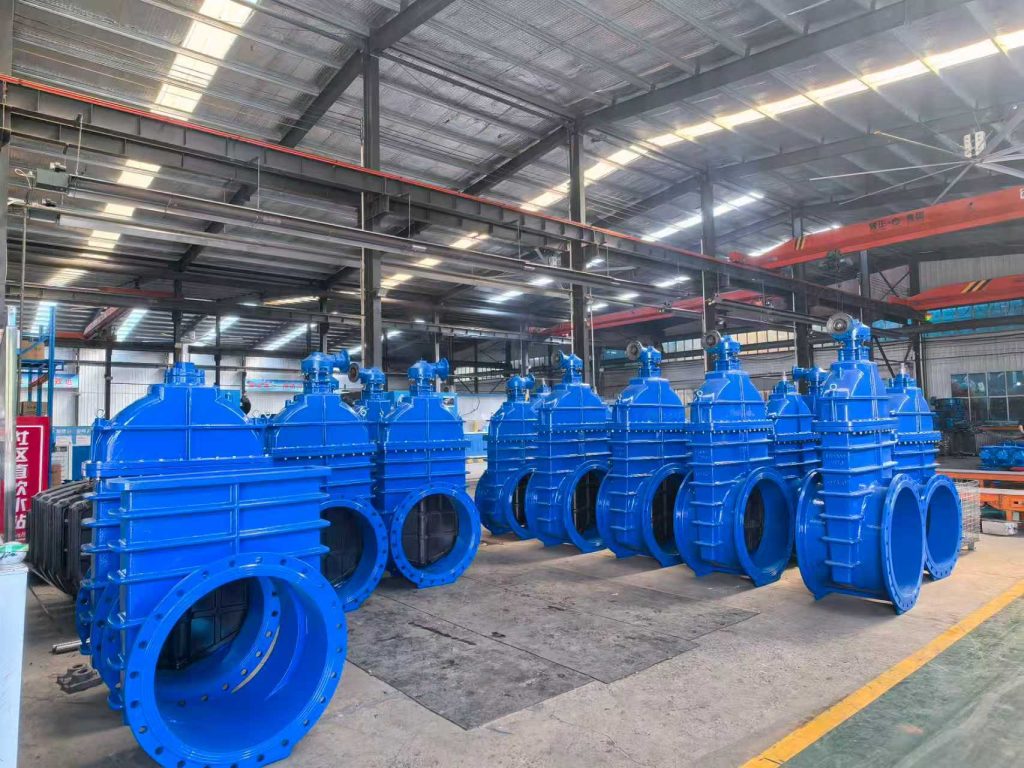
The stem seal is a dynamic valve sealing. Its core function is to prevent the pipeline medium from leaking outwards along the reciprocating/rotating valve stem. It is also the critical location where leakage failure is most likely to occur during valve operation. Mainstream valve sealing are divided into three categories:
Packing seal:
This is the traditional and most widely used stem seal method. Graphite braided packing, PTFE packing, flexible graphite rings, etc., are filled into the stuffing box surrounding the valve stem. Axial compression is applied through the packing gland, causing the packing to expand radially and tightly wrap around the valve stem, forming a multi-stage throttling and flow-blocking structure, effectively blocking the media leakage path.
Bellows seal
Suitable for harsh conditions where leakage of highly toxic, radioactive, or highly corrosive media is strictly prohibited. A metal bellows completely isolates the valve stem from the pipeline medium. The valve stem reciprocates inside the bellows, eliminating any external leakage channels and achieving a zero-leakage valve stem seal.
O-ring/lip seals
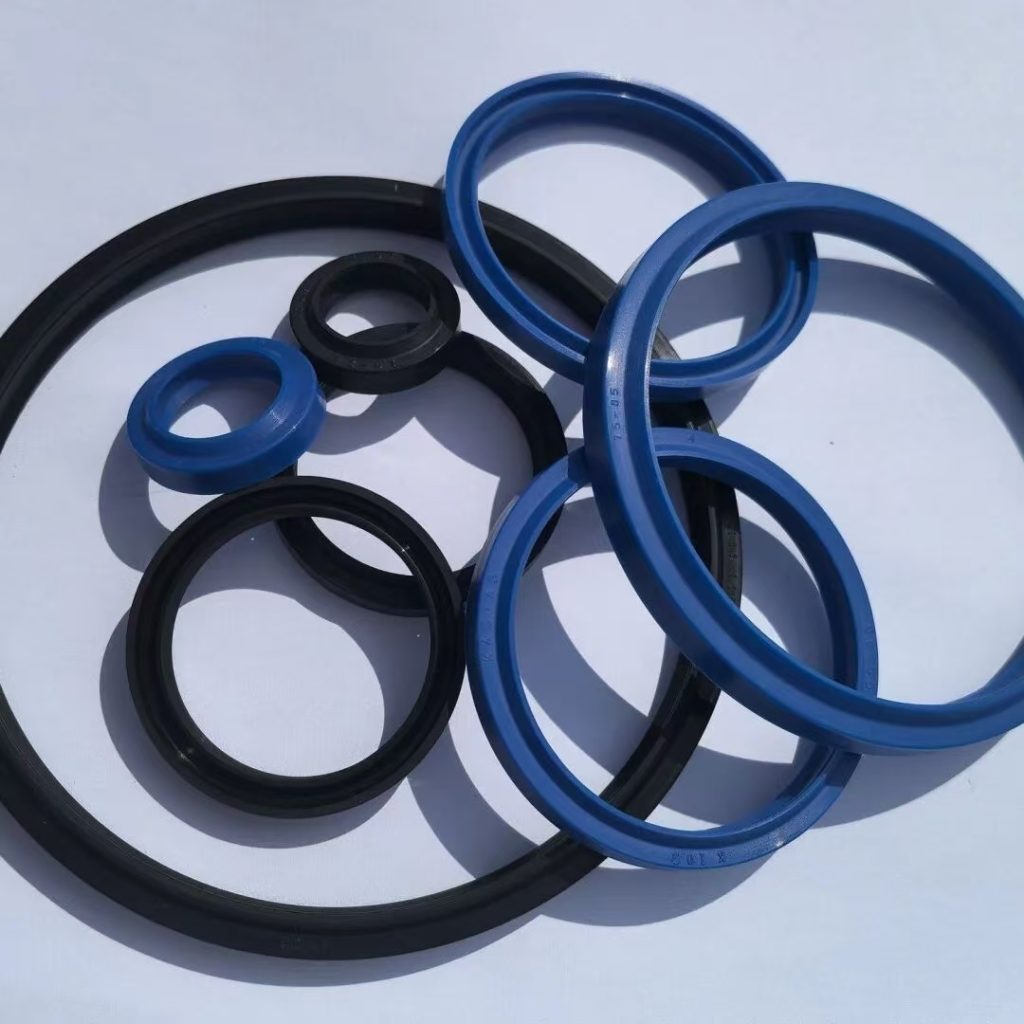
Primarily suitable for rotary valves such as ball valves and butterfly valves, as well as valve stem seals in low-pressure applications. Utilizing the inherent resilience of rubber or elastomer seals, they conform to the valve stem to form a stable sealing barrier, offering a simple structure and reliable sealing.
The core elements of achieving an effective seal
Regardless of the sealing structure or method used, the sealing effectiveness and stability of a valve depend on the following core elements, none of which can be omitted.
Sealing specific pressure
This refers to the positive pressure exerted per unit sealing contact area. The actual sealing specific pressure must be higher than the minimum critical specific pressure required to achieve a seal, while not exceeding the maximum allowable specific pressure that the sealing material can withstand. Too low a specific pressure will result in a poor seal, while too high a pressure will cause the sealing surface to be crushed, deformed, or fail.
Sealing Pair Materials
Material selection directly determines sealing performance and service life, and must meet three core requirements: First, hardness compatibility: valve discs and seats are typically made of matching materials with different hardnesses to effectively prevent sealing surface adhesion and seizing failures. Second, media compatibility: materials must possess good corrosion resistance and erosion resistance, while also being suitable for high and low temperature environments. Third, appropriate pairing: commonly used industrial pairings include stainless steel + hard alloy, stainless steel + soft sealing material.
Surface Finish Quality
The machining precision of the sealing surface is fundamental to sealing effectiveness. Ultra-high mirror-level smoothness minimizes media leakage channels, ensuring tightness. Under certain operating conditions, appropriate surface texture can retain lubricating media or embed soft sealing materials, further improving sealing stability.
Structural Rigidity
The valve body and various sealing components must possess sufficient structural rigidity to prevent deformation under media pressure and temperature loads, which could lead to sealing surface misalignment, adhesion failure, and damage to the overall sealing structure.
Drive and Transmission Systems
Manual, electric, and pneumatic actuators must provide sufficient and stable opening and closing force to ensure the sealing surface can establish and maintain a qualified sealing pressure over a long period, guaranteeing effective sealing throughout the valve’s operation.
Examples of Sealing Principles for Various Valves
Gate Valves
Employ a forced sealing principle. The gate falls vertically like a sluice gate, completely blocking the flow of the medium in the pipeline, achieving on/off control. Parallel gate valves rely on forced compression to achieve planar sealing; wedge gate valves, relying on their wedge structure, can generate an adaptive sealing effect during closure, enhancing the sealing performance.
Ball Valves
Employ a media self-sealing principle. By rotating the ball valve core, the alignment and vertical misalignment of the ball’s through-hole with the pipeline flow path achieve valve opening and closing. When the valve is closed, the medium pressure pushes the ball with a slight displacement, causing the ball to tightly adhere to the valve seat, forming a stable seal. Soft-seal ball valves offer superior sealing tightness.
Butterfly Valves
Mostly employ an eccentric sealing structure, combining forced sealing and self-sealing principles. When the butterfly plate rotates to the closed position, relying on the cam drive principle, the sealing ring on the outer side of the butterfly plate forms an interference fit with the valve seat, completely blocking the flow of media.
Globe valve
Based on the core principle of forced sealing. The valve stem drives the valve disc vertically downward, precisely pressing the valve seat sealing surface to achieve cut-off. Its media flow direction is optimized; when the valve is closed, the media pressure can assist in pushing the valve disc to press against the valve seat, further improving sealing reliability.
Check valve
Relying on the pressure of the media itself to achieve automatic sealing. When the media flows in the forward direction, the fluid thrust opens the valve disc, unblocking the flow path; when the media flows in the reverse direction, the reverse pressure presses the valve disc and valve core against the valve seat, automatically completing the sealing cut-off and preventing backflow of media.
Partnering with professional and reliable valve manufacturers lays a solid foundation for the operation of engineering equipment. A stable and durable fluid transport system cannot function without the protection of high-quality valve equipment. XVS Valves has deep expertise in valve R&D and production, strictly adhering to international production standards and rigorously controlling every production process to create high-quality, highly adaptable, and highly durable industrial and water-specific valve products.
If you require controllable quality throughout the valve procurement process, a stable and worry-free supply, and professional selection guidance and after-sales technical services, please feel free to contact us to discuss cooperation. 【Contact Us】 to get an accurate quote, customized selection solutions, and unlock a one-stop worry-free procurement service!