
Successful valve procurement requires more than just checking specifications and pressure ratings. In the current market, defining strict technical requirements is essential. Here are the 8 crucial factors for your next valve procurement contract.
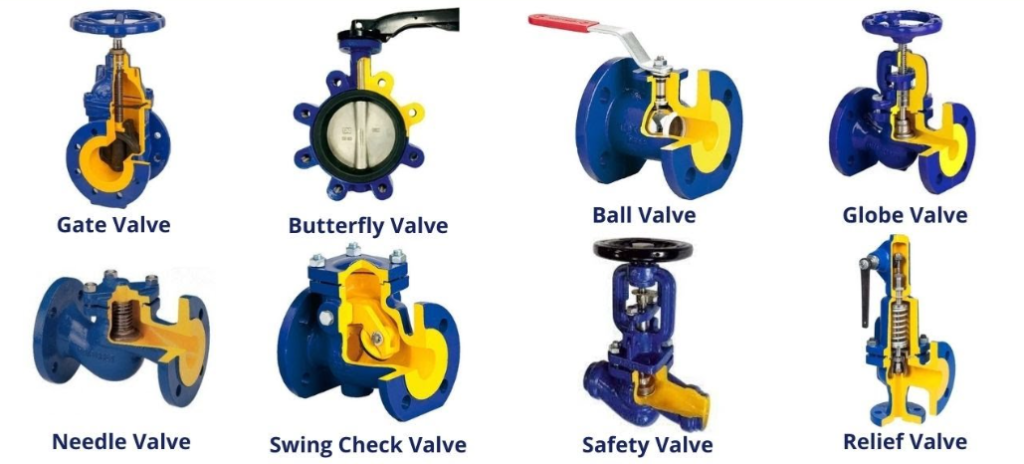
1. General Specifications and Pipeline Pressure Standards
The foundation of any successful valve procurement lies in matching the exact pipeline design.
- Specification Compliance: The valve category and model must fully comply with pipeline design documents and indicate the applicable national or international standard number (such as DIN, ANSI, or GOST).
- Working Pressure Limits: The valve’s working pressure must be equal to or higher than the pipeline’s actual pressure.
- Pressure Testing: During testing, either side of the closed valve must withstand 1.1 times the rated working pressure without leakage. When fully open, the valve body must withstand twice the rated working pressure.
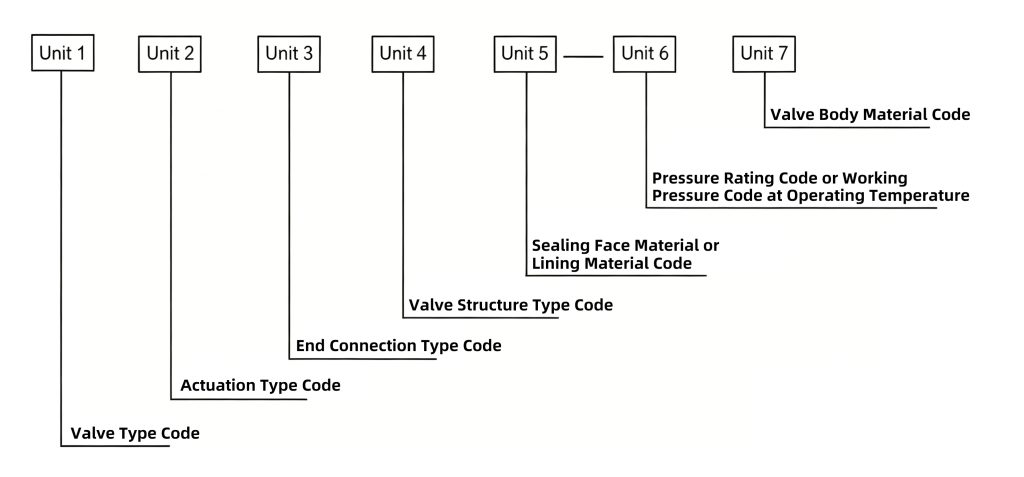
2. Valve Material Quality Requirements
Material selection directly dictates the valve’s lifespan. Your procurement contract should specify the following:
- Valve Body: Prioritize Ductile Iron (e.g., QT450 or GGG50). Suppliers must provide clear brand grades and physical/chemical testing data.
- Valve Stem: Stainless steel (such as 2Cr13) is preferred. For large-diameter valves, stainless steel-clad stems are highly recommended.
- Sealing Surfaces: Avoid reclaimed rubber. For soft-sealed gate valves and butterfly valves, specify high-quality NBR or EPDM rubber. The physical, chemical, and hygiene testing data must be provided.
- Valve Stem Packing: The packing should guarantee zero leakage even under frequent opening and closing, ideally offering a maintenance-free lifespan of over 10 years.
3. Reliable Variable Speed Gearbox Design
If your industrial valves require a gearbox, ensure the mechanical design is flawless.
- Anti-Corrosion & Sealing: The gearbox material must match the valve body. It must be completely sealed and able to withstand immersion in a 3-meter water column without leakage.
- Transmission Efficiency: The gear system must operate without slipping or separation during load-bearing operations, protected internally by high-grade lubricating grease.
4. Efficient Valve Operating Mechanisms
Operation efficiency is a crucial factor in valve procurement, especially for underground pipe networks.
- Standardized Operation: All valves must close clockwise.
- Opening/Closing Torque: To allow single-person operation, the maximum torque should ideally be kept under 240 N·m at working pressure.
- Indicator Dials: The opening degree scale must be visible (preferably painted with fluorescent powder) and oriented toward the ground for easy observation. Aluminum indicator pointers are strictly prohibited; use stainless steel or painted steel.
5. Strict Valve Performance and Leakage Testing
Never accept products without authoritative testing. Mass-produced valves require third-party certification for:
- Opening and closing torque under working pressure.
- Continuous cycle tests to ensure tight sealing.
- Flow resistance coefficient testing.
- Factory Delivery Testing: Every single valve must pass the 1.1x closure leakage test and the 2x open body pressure test before leaving the facility.
6. Internal and External Anti-Corrosion Coatings
Corrosion is the enemy of water supply and industrial pipelines.
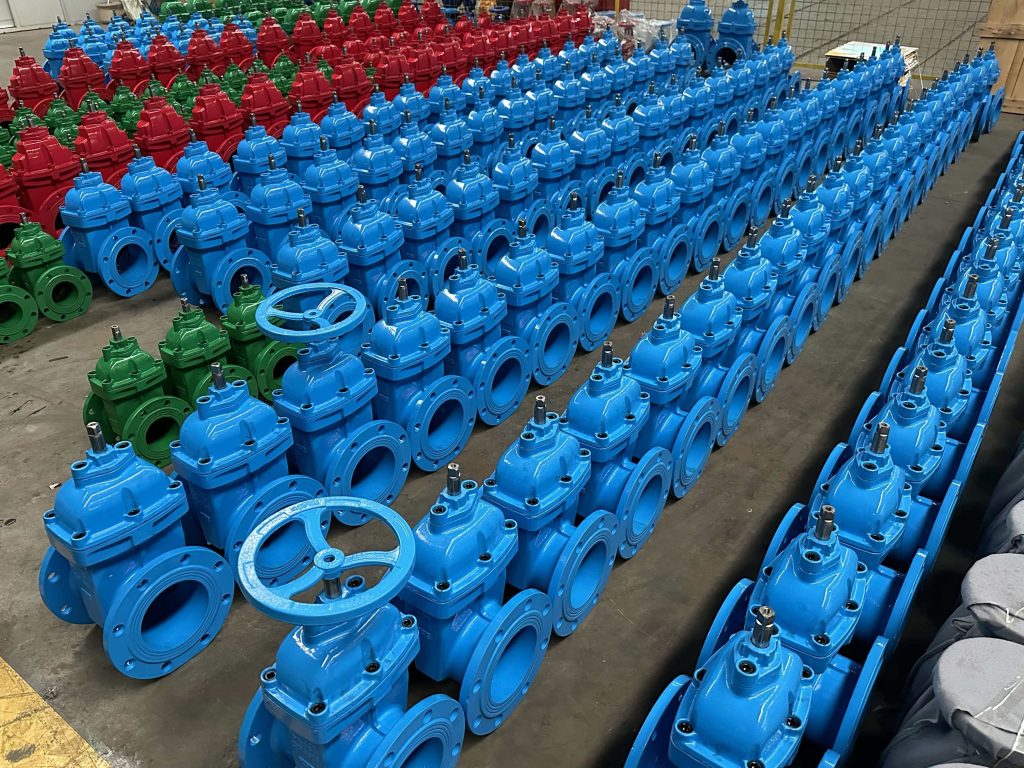
- Epoxy Coating: The internal and external surfaces (including the gearbox) must undergo shot blasting, followed by electrostatic spraying of non-toxic powder epoxy resin (thickness ≥ 0.3mm).
- Hygiene Standards: For water networks, the anti-corrosion coating must not rust or cause electrochemical corrosion. It must also be backed by authoritative test reports confirming it meets drinking water hygiene standards.
7. Safe Packaging and Transportation
Improper transit can damage perfectly manufactured valves.
- Both ends of the valve must be firmly sealed with lightweight blanking plates.
- Large-diameter valves require sturdy wooden frames to prevent collision, while smaller valves should be securely bundled and shipped via containers.
8. Comprehensive Valve Factory Documentation
Factory Documentation
Industrial valves are special equipment. A professional valve manufacturer must provide a detailed factory instruction manual.
Ensure your supplier provides data covering: valve specifications, materials (body, stem, sealing), delivery date, weight, flange dimensions, flow resistance coefficient, and relevant pre-delivery test reports.
Looking for a reliable valve manufacturing partner? > At Xinshui Valve, we strictly adhere to these 8 technical requirements, specializing in premium ductile iron valves for global markets. Contact us today for technical support and standard-compliant products.