A check valve (non-return or one‑way valve) is a mechanical device that allows gas or liquid to flow freely in one direction and prevents reverse flow. The allowed flow direction is called the free flow direction; the blocked direction is the check direction.
Common household examples include air mattresses and irrigation systems. In an air mattress, the valve lets air in and stops it from leaking until released. In sprinklers, it allows water to spray out while preventing muddy water or rainwater from flowing back into the supply pipes.
Core Functions and Applications
The application of this device determines some specific design parameters. Generally, their functions can be divided into three categories: non-backflow, vent, fill, and drain. Choosing the right model ensures proper functioning of the entire piping system.
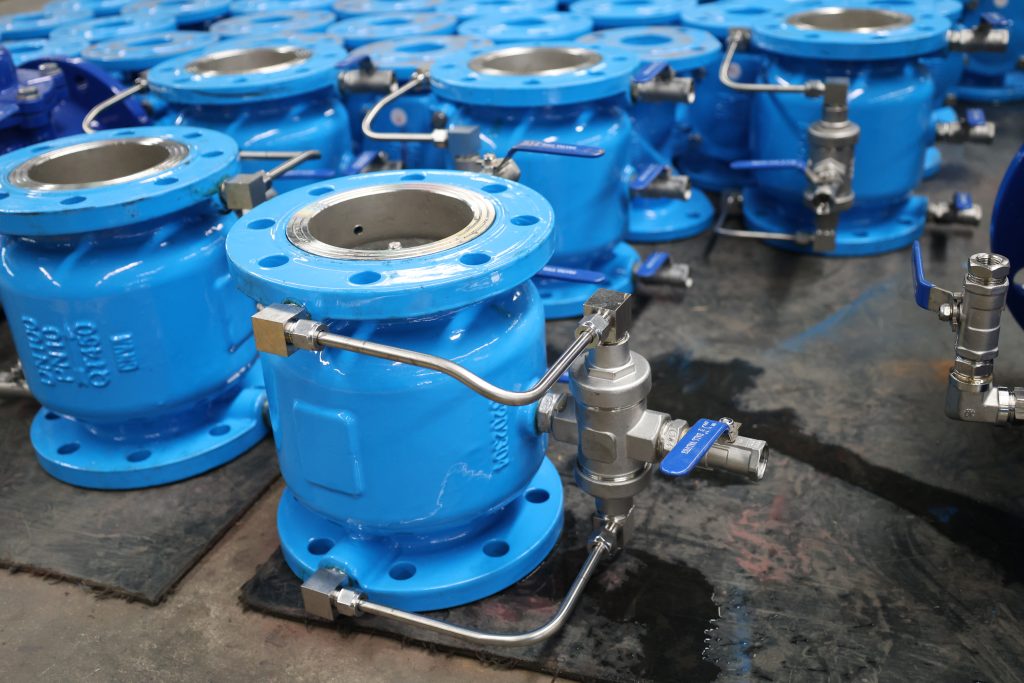
Backflow Prevention
These components enable unidirectional flow with minimal pressure loss while preventing reverse flow. A typical application is at pump inlets and outlets: one unit allows fluid in from the source, and another allows the pump to discharge safely.
Ventilation Devices
Ventilation models are designed to open and prevent pressure build-up within the system, while preventing water from flowing in the non-backflow direction. For example, a vent mechanism protects a vehicle’s fuel tank. Gasoline expands in volume as it heats up and contracts when cooled; even when the car is stationary, the amount of fuel in the tank fluctuates.
As the volume of gasoline increases, air must be expelled from the tank to mitigate pressure changes. The tank is vented through a check valve when pressure rises; this prevents damage to the tank and connecting components. Check valves also prevent debris and moisture from entering the water tank.
Fill and Drain Valves
These check valves let liquid into the system and prevent overflow when the tank is full. Fill and drain valves are typically installed near the tank in hydraulic or pneumatic systems.
For maintenance or decommissioning, the charging system must first be depressurized. Check valves used for system filling can then be opened mechanically or manually to drain the fluid.
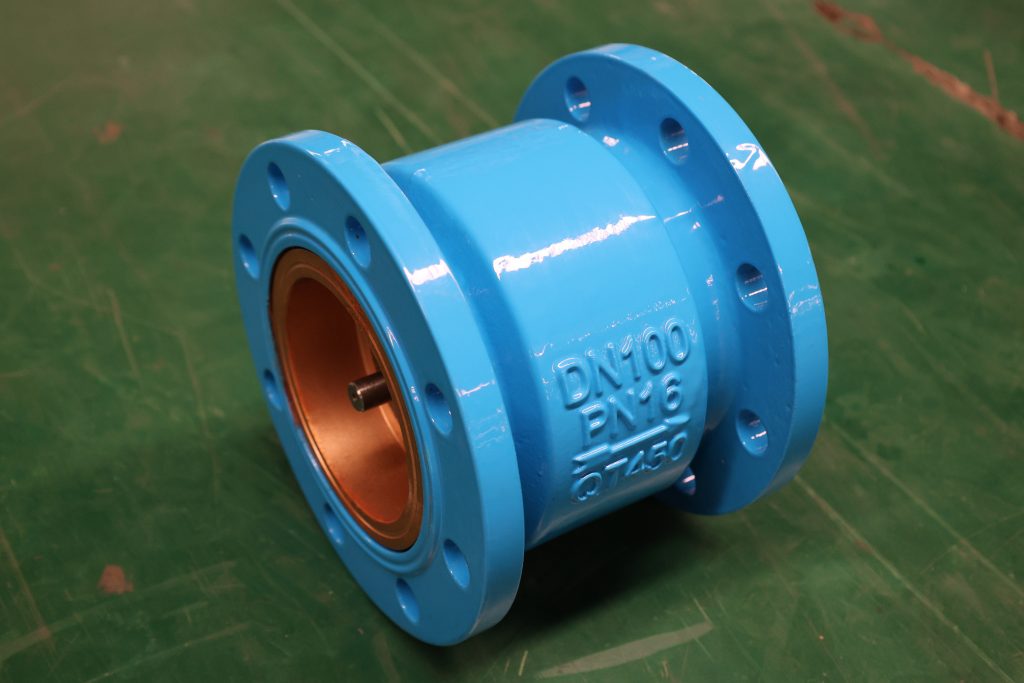
How a Check Valve Works
A van một chiều is a direct-acting device, meaning that pressure acts directly on the valve’s internal components. Check valves are typically normally closed. They are usually kept closed by a force-generating mechanism within the valve. This force is small, and when the pressure difference in the flow direction is no longer present, the valve returns to the closed position.
Some configurations do not have a force-generating mechanism; they require a pressure difference in both directions to actuate the internal components. When a pressure difference exists in the flow direction, the valve opens, allowing fluid to flow freely from one location in the fluid system to another. When the pressure is removed, the valve returns to its normally closed position.
Check Valve Configurations
Check valves are available in various configurations.
- Standard configurations include ball bearings, cams, discs, or other seals that press against the seat when pressure is in the check direction. In many cases, the seal is biased against the valve seat by a lightly loaded compression spring. The combination of these components forms an internal seal to prevent flow in the check direction. Spring-loaded check valves have various internal flow path configurations. For example, fluid may flow axially within the ball or valve body, or through internal channels towards the valve center.
- Additionally, some valve configurations allow flow to exit at a 90-degree angle relative to the valve inlet. In low-pressure applications, check valves may utilize flexible materials to control flow based on pressure conditions. This material can serve as a basic diaphragm or a duckbill shape. In high-flow hydraulic applications, butterfly valves and swing check valves are common. These valves use a large, flat metal valve attached to a housing, allowing the valve to open in one direction of flow and close in the inspection direction.
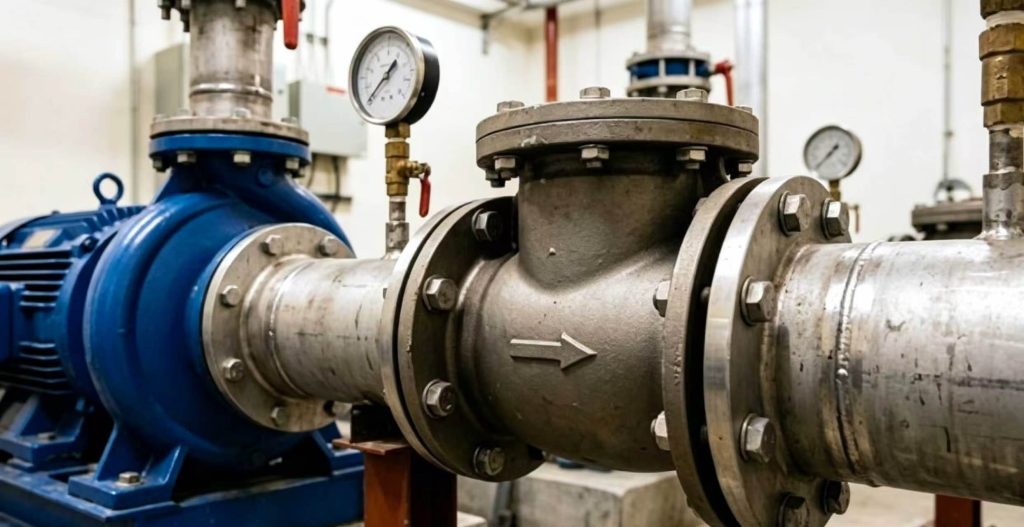
Selecting and designing the ideal check valve requires extensive knowledge and involves weighing various performance requirements, environmental factors, and potential trade-offs.
Check valves operate on a simple principle, yet they play a critical protective role in piping systems. From low-pressure residential use to high-pressure industrial applications, the right valve prevents backflow, relieves pressure, and stops leaks.
Different flow conditions require different designs. That’s why check valves come in various functional classifications and structural forms — each suited to a specific scenario.
Our company offers both standard models and non-standard custom solutions, backed by mature R&D, production, and service capabilities.
Need help with selection, installation, or maintenance? Or interested in purchasing or project cooperation? Contact us. Our experts will tailor the right solution for you.